or Call +44 (0)7724 515 072
How To Clean Black Granite Headstones
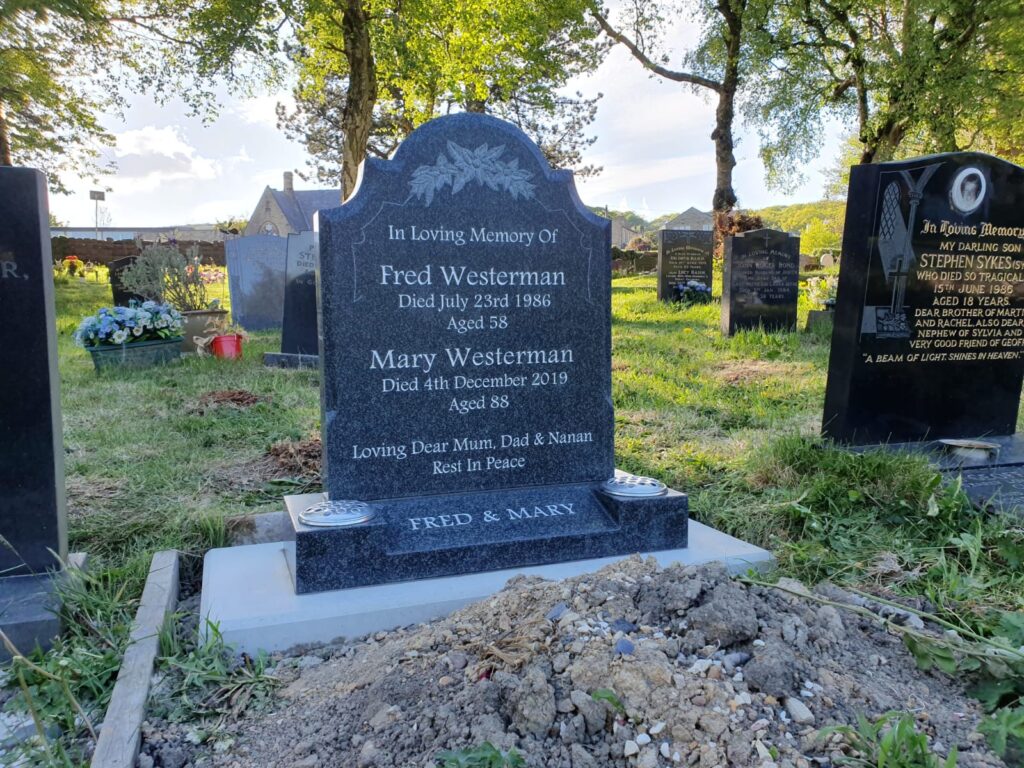
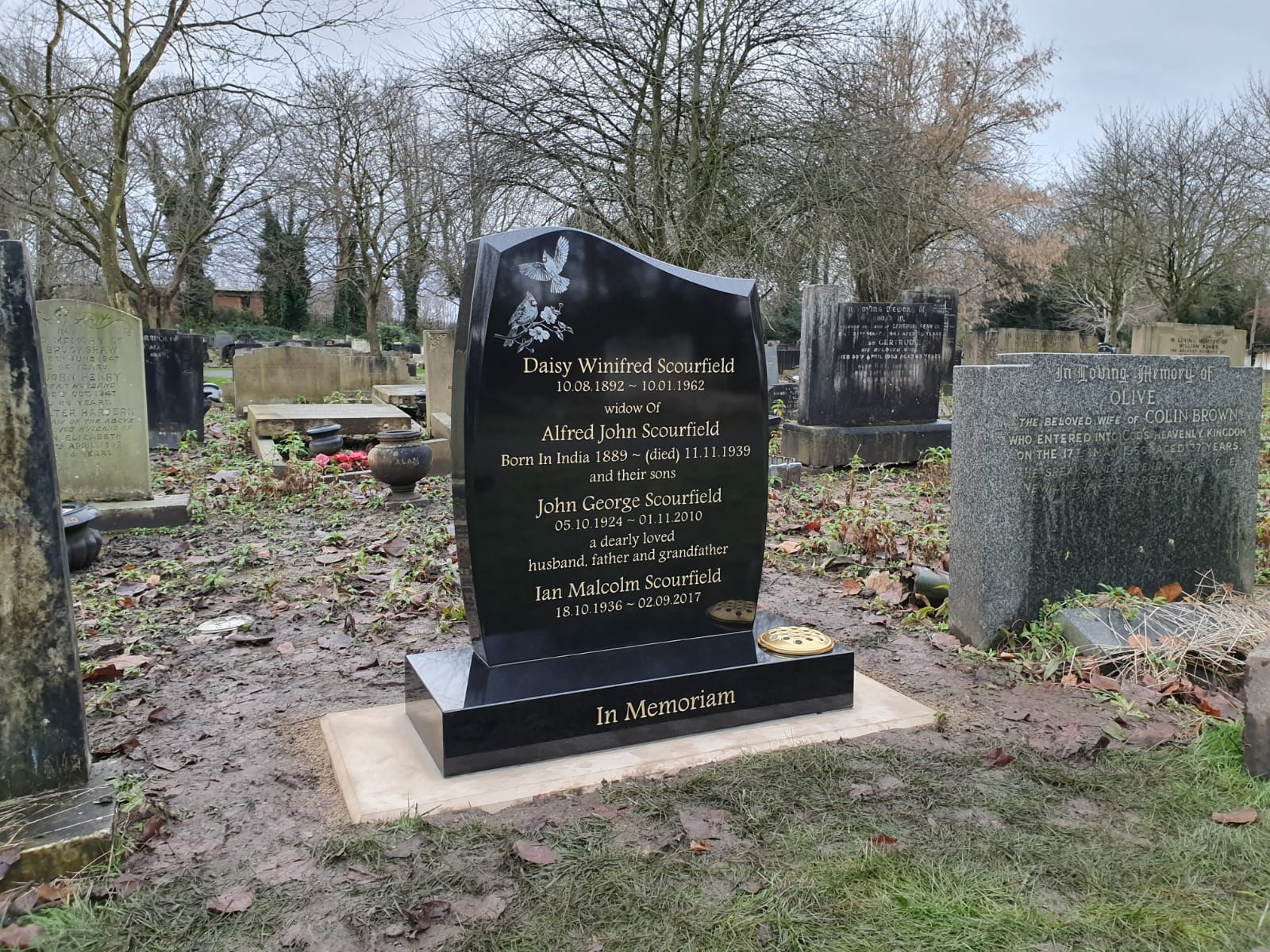
Black granite headstones are often chosen for their elegant appearance, strength and ability to display clear inscriptions and detailed imagery. Their polished surface creates a striking contrast with white, silver or gold lettering, but it can also make dust, water marks and fingerprints more noticeable.
Like any memorial standing outdoors, black granite will gradually collect dirt, pollen, bird droppings, algae and deposits from nearby trees. Gentle cleaning can help preserve its appearance, but the wrong products or tools may scratch the polished surface, damage the inscription or leave marks that are difficult to remove.
This guide explains how to clean a sound black granite headstone safely, what equipment to use and when it is better to ask a professional for help.
Should You Clean the Headstone Yourself?
Light cleaning may be suitable when the memorial is structurally sound and only affected by surface dirt. Before beginning, check the entire headstone, base and any attached features carefully.
Do not attempt to clean the memorial yourself if you notice:
- A loose, leaning or unstable headstone
- Cracks in the granite or base
- Movement between separate sections
- Loose carved details or photo plaques
- Damaged gold leaf, paint or lead lettering
- Open joints or failed fixings
- Rust or staining coming from metal components
- Previous repairs that appear to be failing
Cleaning an unstable memorial could cause further movement or damage. Structural repairs, re-levelling and inscription restoration should be carried out by an experienced memorial mason.
Northern Headstones provides professional headstone restoration for memorials requiring deeper cleaning, repair or re-lettering.
Check the Cemetery Rules Before Cleaning
Cemeteries and churchyards may have their own rules about who can clean or work on memorials. Light washing may be allowed, while chemical cleaning, repairs and structural work could require permission.
Before taking equipment to the grave, check:
- Whether family members are permitted to clean the memorial
- Whether particular cleaning products are prohibited
- Whether water is available at the cemetery
- Whether permission is needed from the registered grave owner
- Whether professional restoration must be completed by an approved mason
Never assume that a cleaning method is permitted simply because it has been used on another memorial nearby.
What You Need to Clean Black Granite
For routine cleaning of a stable polished granite headstone, you will usually need:
- Plenty of clean water
- A clean bucket
- Soft natural or nylon-bristle brushes
- A soft sponge or microfibre cloth
- A small soft brush for lettering and detailed areas
- Clean towels or lint-free cloths
- Protective gloves
Clean tap water is generally suitable. Distilled water is not normally essential, although it may be useful in areas with particularly hard water if mineral marks are a concern.
Make sure every brush, sponge and cloth is completely clean. A small piece of trapped grit can scratch polished black granite.
How to Clean a Black Granite Headstone
Choose a Suitable Day
A mild, overcast day is usually best. Avoid cleaning in freezing conditions or when frost is expected, as water may enter small joints or defects before freezing.
Strong sunshine can also cause water to dry too quickly, leaving streaks and making it harder to keep the surface evenly wet.
Remove Loose Leaves and Debris
Carefully remove leaves, twigs and other loose debris by hand. A clean, soft brush can be used gently where necessary.
Do not scrape dried material from the surface with a knife, metal tool or hard brush. Bird droppings, tree sap and other deposits should be softened with water before attempting to remove them.
Wet the Granite Thoroughly
Rinse the whole memorial with clean water before brushing. This loosens surface dirt and helps prevent particles from being dragged across dry polished granite.
Keep the stone wet throughout the cleaning process. If an area begins to dry, apply more water before continuing.
Work in Small Sections
Use a soft sponge, cloth or brush to clean one manageable section at a time. Apply light pressure and allow the water to do most of the work.
Working from the bottom upwards can help reduce dirty streaks running over dry granite. Once each section has been cleaned, rinse it thoroughly before moving on.
Clean Around the Lettering Carefully
Use a smaller soft brush around engraved letters and carved details. Take extra care where the inscription contains gold leaf, paint, enamel-style finishes or lead.
Do not scrub directly across lettering if the finish looks loose, faded or damaged. Stop and seek professional advice, as continued cleaning may remove more of the inscription.
Rinse the Memorial Thoroughly
Rinse the complete headstone with plenty of clean water. Any loosened dirt or approved cleaner must be removed rather than allowed to dry on the surface.
Check the base, joints and carved areas where dirty water may have collected.
Allow the Granite to Dry
The headstone can be left to dry naturally. On a sound polished surface, a clean lint-free cloth may also be used to gently remove remaining water and reduce visible spotting.
Do not polish the stone aggressively. Once dry, inspect it from different angles to check whether any marks remain and whether further cleaning is genuinely necessary.
Can You Use Detergent on Black Granite?
Clean water is often enough for routine surface dirt and should be the first method tried.
Ordinary washing-up liquid, hand soap and general household detergents should not automatically be used. These products may contain fragrances, dyes, salts, acids or additives that can leave residue on the memorial.
A specialist non-ionic cleaner may sometimes be suitable for sound granite, but it must be appropriate for memorial stone and used at the correct dilution. Always:
- Read the manufacturer’s instructions
- Test a small, inconspicuous area first
- Pre-wet the stone thoroughly
- Keep the surface wet during cleaning
- Rinse repeatedly with clean water
- Stop if the colour or finish changes
If clean water does not remove the staining, asking a memorial professional for advice is safer than experimenting with stronger household products.
Never Use Bleach on a Granite Headstone
Household bleach should not be used to clean a black granite headstone. Bleach and similar products can leave salts and chemical residue behind, potentially causing staining or deterioration over time.
It may also damage painted, gilded or leaded lettering and affect surrounding materials within the memorial.
Mixing bleach with other cleaning products can produce dangerous fumes. It should never be combined with ammonia, acids, vinegar or general household cleaners.
Products and Tools to Avoid
Avoid any method that relies on strong chemicals, abrasion or high pressure. These may create a quick visual improvement while permanently altering the memorial.
Do not use:
- Bleach or chlorine-based cleaners
- Vinegar, lemon juice or acidic products
- Ammonia or strong alkaline cleaners
- Household mould remover
- Pressure washers or steam cleaners
- Wire brushes or metal scourers
- Hard scrubbing brushes
- Scouring powders or abrasive pads
- Magic erasers or melamine sponges
- Knives, scrapers or razor blades
- Furniture polish, car wax or household oils
- Paint or varnish intended for domestic surfaces
- Shaving foam to reveal lettering
Black granite has a highly visible polished surface, so even fine scratches can become noticeable when the light catches them.
How to Remove Common Marks
Bird Droppings
Soak the affected area with clean water and allow the deposit to soften. Gently work it away using a soft brush or cloth before rinsing thoroughly.
Do not scrape hardened droppings from dry granite, as particles within the deposit may scratch the polished surface.
Mud and Soil
Rinse away as much loose material as possible before touching the stone with a cloth or brush. Dragging dry soil across polished granite can create fine scratches.
If mud regularly splashes onto the base, check whether soil, planting or chippings around the memorial need attention, subject to cemetery rules.
Tree Sap and Pollen
Tree deposits can be difficult to remove once they have dried. Begin with prolonged wetting and gentle cleaning rather than applying a solvent or strong detergent.
Where the sap remains firmly attached, ask a professional which treatment is suitable for the granite and inscription finish.
Algae and Green Growth
Light growth may loosen after wetting and gentle brushing. Do not use bleach, weedkiller or a pressure washer to remove it.
Heavy or recurring growth may require a specialist treatment selected for memorial stone. The surrounding shade, trees and moisture levels may also cause the problem to return.
Water Marks
Polished black granite can show marks after water evaporates, particularly in hard-water areas. Rinsing thoroughly and gently drying the surface with a clean lint-free cloth may reduce them.
Do not attempt to remove mineral marks with vinegar or acidic descaling products.
Rust Stains
Rust may come from old metal pins, flower containers, fixings or nearby objects. It should not be treated with domestic rust remover, as many of these products are acidic.
Persistent rust staining may indicate a problem with an internal or attached metal component and should be assessed professionally.
Cleaning Gold, Silver and Painted Lettering
The inscription finish may be more delicate than the granite surrounding it. Gold leaf, silver finishes and painted letters can wear away through repeated rubbing.
When cleaning around lettering:
- Use plenty of clean water
- Apply very little pressure
- Use a clean, soft brush
- Avoid repeated scrubbing
- Do not apply polish or paint
- Stop if the finish begins to lift or flake
Faded lettering cannot usually be restored through cleaning. Repainting, re-gilding or replacing inscription finishes requires suitable preparation and memorial-grade materials.
Cleaning Laser-Etched Images and Photographs
Laser-etched portraits and images are created within the polished granite surface. They should still be treated carefully, as abrasive cleaning can alter the surrounding polish and reduce the visual contrast of the design.
Use clean water and a soft cloth or brush, applying only light pressure. Avoid polish, wax, scouring pads and harsh chemicals.
Ceramic photo plaques should also be checked before cleaning. If the plaque is loose, cracked or damaged around its edges, ask a memorial mason to inspect it.
How Often Should Black Granite Be Cleaned?
There is no need to clean a headstone according to a rigid timetable. Cleaning should be based on its actual condition rather than trying to keep it looking newly installed at all times.
During regular visits, families can remove loose leaves, replace flowers and check for visible movement or damage. A fuller clean may only be needed when dirt or biological growth begins to obscure the inscription or significantly affect the appearance.
Frequent scrubbing increases the chance of scratching the granite or wearing away inscription finishes. Gentle and occasional care is usually the better approach.
When to Use a Professional Cleaning Service
Professional help should be considered when:
- The memorial is loose, leaning or cracked
- The lettering is flaking or difficult to read
- There are persistent rust, oil or chemical stains
- Heavy algae or biological growth remains after gentle cleaning
- A ceramic photograph or carved feature is damaged
- Separate sections of the memorial have moved
- The surface has been scratched or dulled
- You do not know which previous products have been used
- The cemetery requires restoration work to be completed by an approved mason
A professional can identify the stone, assess the inscription finish and select a treatment that addresses the problem without causing unnecessary damage.
Preserving a Black Granite Memorial With Care
Black granite is a strong and attractive memorial material, but its polished surface still needs thoughtful care. Begin with clean water, soft equipment and the gentlest method possible. Avoid bleach, acids, household polish, abrasive tools and pressure washing.
The aim is not to make an established headstone look completely new. It is to remove harmful or distracting deposits while preserving the stone, inscription and personal details that make the memorial meaningful.
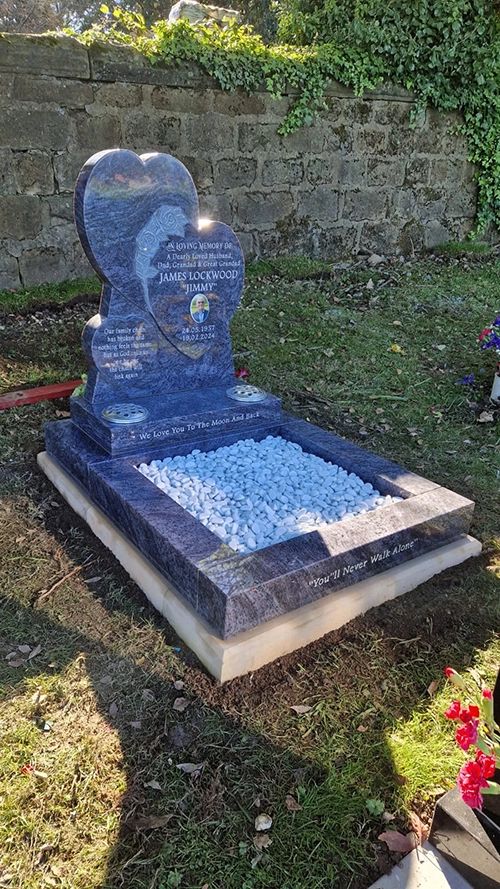
You can browse Northern Headstones’ range of headstones and memorials to see examples of polished black granite designs and available inscription finishes.
For help with stubborn staining, damaged lettering or a memorial requiring professional restoration, please contact Northern Headstones. The team can assess the condition of the headstone and recommend a suitable approach with care and respect.
Written and Edited by Northern Headstones
Having established itself as one of the North’s of Englands most prestigious Headstone and Memorial Masons, Northern Headstones delivers bespoke memorials like no other.