or Call +44 (0)7724 515 072
Can Photos Be Lasered Onto Headstones?
A photograph can make a headstone feel deeply personal, preserving a familiar face, treasured place or meaningful part of someone’s life alongside their name and inscription.
One way to add this detail is through laser etching. This process can reproduce photographs and illustrations directly on the surface of a suitable memorial stone, creating a permanent image without attaching a separate photograph to the headstone.
However, the finished result depends on the quality of the original image, the type and finish of the stone, and the amount of space available. Understanding how laser etching works can help you decide whether it is the right choice for your loved one’s memorial.
Can a Photograph Be Added to a Headstone?
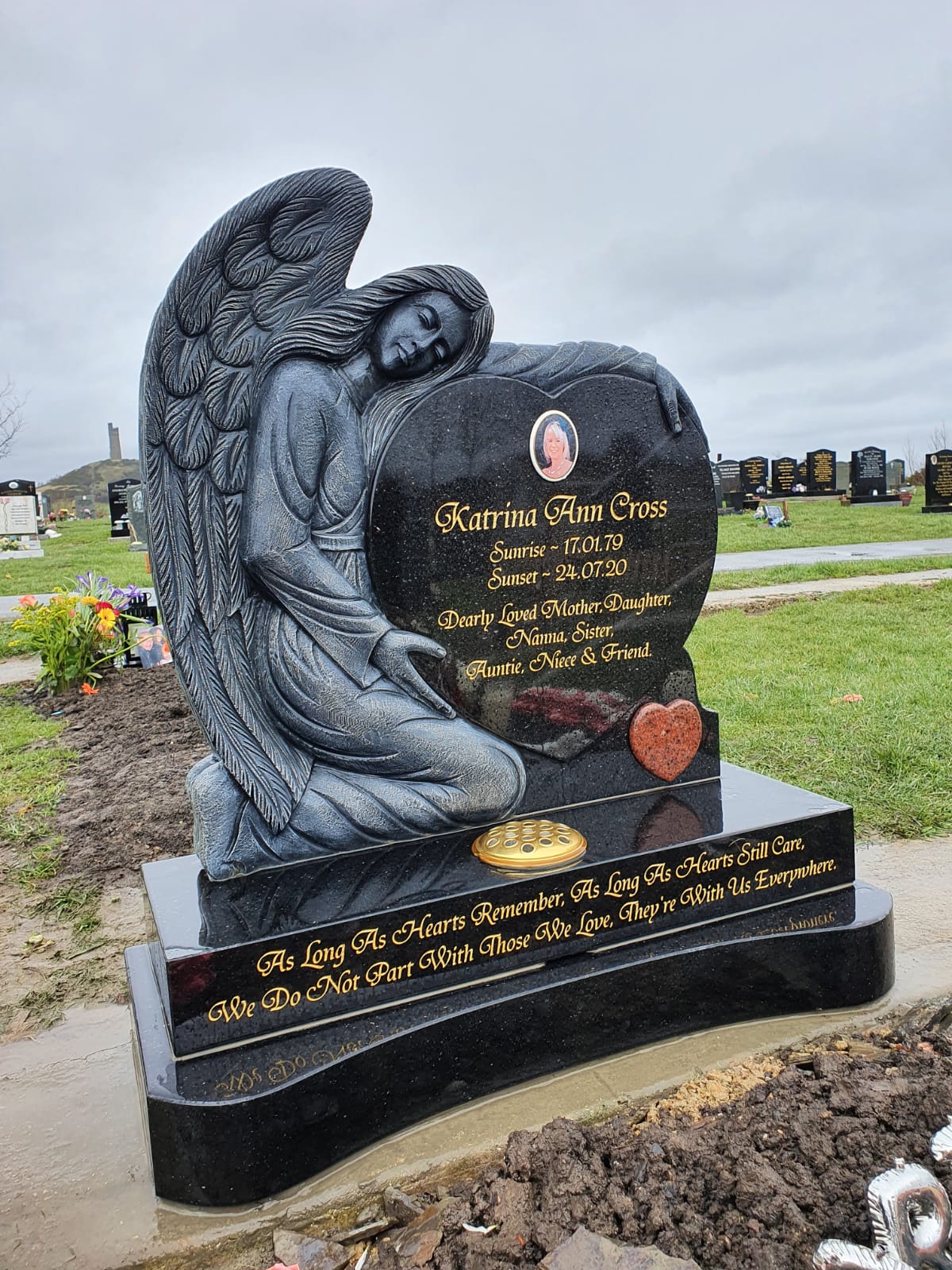
Yes. Photographs can be incorporated into headstones and memorials in several ways, including laser etching and ceramic photo plaques.
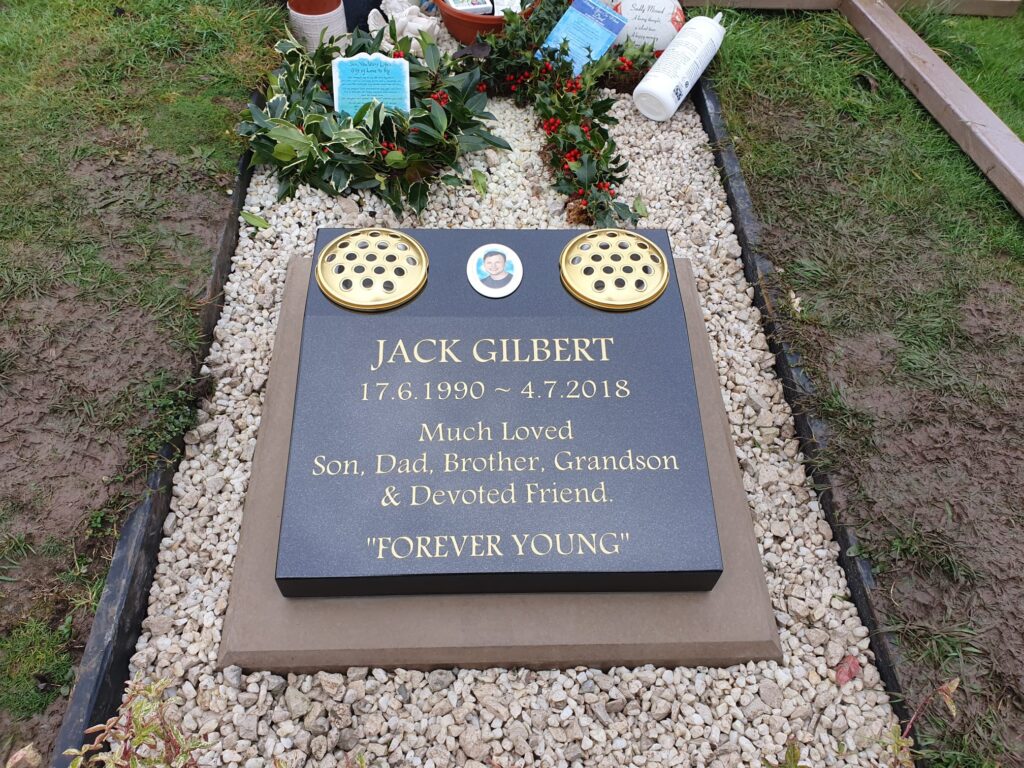
With laser etching, the image is reproduced directly on the polished surface of the stone. A ceramic plaque is made separately and then securely attached to the memorial.
Each option creates a different appearance. Laser etching is usually monochrome and becomes part of the memorial surface, while ceramic plaques can reproduce a photograph in colour.
When browsing headstones and memorials, consider the photograph at the same time as the shape, inscription and stone. This makes it easier to create a balanced layout with enough room for every important detail.
What Is Laser Etching?
Laser etching, sometimes called laser engraving, uses a controlled laser to mark the polished surface of the stone. The laser creates tiny light areas that form the photograph or design against the darker background.
The image is prepared digitally before it is transferred onto the memorial. Colour photographs are usually converted into a carefully adjusted monochrome design, with changes made to the contrast, brightness and background where required.
The laser can reproduce:
- Portrait photographs
- Family photographs
- Pets and animals
- Landscapes and meaningful places
- Vehicles, tools or musical instruments
- Hobbies and sporting images
- Flowers, religious symbols and decorative artwork
- Handwritten messages or signatures
The final image will resemble an etched drawing or monochrome portrait rather than a full-colour printed photograph.
Which Stone Is Best for a Laser-Etched Photograph?
Polished black granite is generally the most suitable material for detailed laser etching. Its dark, even surface creates a strong contrast with the lighter marks produced by the laser.
This contrast allows facial features, clothing and smaller details to remain clearer. Fine-grained granite also tends to produce a more consistent result than a stone with obvious patterns or large mineral variations.
Can Other Granite Colours Be Used?
Some darker grey and coloured granites may be suitable, but the image may not appear as clearly as it would on polished black granite.
A lighter stone provides less contrast between the untouched surface and the etched areas. Natural variations within the granite may also interfere with small details in a face or photograph.
Can Sandstone Be Laser Etched?
Sandstone is generally less suitable for detailed photographic laser etching. Its textured, porous surface and natural grain do not provide the same smooth, high-contrast background as polished granite.
A simpler carved or engraved image may be more appropriate for sandstone. A ceramic photograph could also be considered where the cemetery permits one.
Does the Surface Need to Be Polished?
Detailed laser photographs usually require a polished surface. Honed, rustic and heavily textured finishes do not reflect the light consistently enough to create the same contrast and clarity.
Your memorial mason should assess the individual stone and confirm whether the proposed image and technique are suitable before the design is approved.
What Makes a Good Photograph for Laser Etching?
The quality of the original photograph has a significant effect on the finished memorial. A clear, well-lit image will usually provide a better result than a small, blurred or heavily compressed photograph.
The best source images generally have:
- A clear view of the person’s face
- Good lighting across the main subject
- Strong separation between the person and background
- Enough resolution to enlarge the image
- Natural facial detail without heavy filters
- Minimal blur, glare or deep shadow
A professional may be able to improve the contrast, remove the background or combine elements from more than one photograph. However, digital preparation cannot always recreate facial detail that is missing from the original image.
Can an Old Photograph Be Used?
Older photographs can sometimes be used, including scanned prints. The condition and size of the photograph will determine how much detail can be retained.
Creases, fading and minor marks may be reduced during preparation. A photograph that is badly blurred or extremely small may not provide enough information for an accurate portrait.
Always provide the highest-quality version available rather than a screenshot or photograph downloaded from social media where possible.
Can Someone Be Removed From a Group Photograph?
It may be possible to isolate one person from a group photograph, provided their face is clear and not obscured.
The surrounding people and background can be removed during artwork preparation, leaving a portrait suitable for the memorial. The result will depend on the size, lighting and quality of the original photograph.
What Size Should the Etched Photograph Be?
The image needs to be large enough for the important details to remain visible, but it should not overwhelm the inscription or shape of the memorial.
A small portrait may lose subtle facial details, particularly when viewed from a distance. A larger image provides more room for features but reduces the space available for names, dates and personal wording.
The ideal size will depend on:
- The dimensions of the headstone
- The shape of the available polished area
- The number of people shown
- The amount of inscription wording
- Any additional carvings or symbols
- The quality and composition of the original photograph
The image and inscription should be designed together so that neither appears squeezed into the remaining space.
Where Can the Photograph Be Positioned?
A laser-etched image can be placed in several areas depending on the memorial design.
Common positions include:
- Above the main inscription
- Beside the person’s name and dates
- In the centre of an arch-shaped headstone
- On one page of a book memorial
- Within a heart-shaped section
- On a separate polished plaque
- On the base or cover slab of a larger memorial
A central portrait can become the main feature of the headstone, while a smaller image placed beside the inscription creates a more understated result.
Can More Than One Photograph Be Included?
More than one image can sometimes be included if the memorial provides sufficient space. A companion headstone might feature an individual portrait of each person, while a wider stone could carry one shared photograph.
Several images can make the layout feel crowded, particularly when combined with a long inscription. It may be better to use one carefully selected photograph and preserve the remaining space for clear lettering.
Where multiple photographs are important, a larger or bespoke memorial may provide greater flexibility.
Can Other Images Be Laser Etched?
Laser etching is not limited to portraits. An image connected with a person’s interests, work or character can create an equally personal tribute.
Ideas may include:
- A favourite car, motorbike or bicycle
- A guitar or other musical instrument
- A football badge or sporting image
- A pet or favourite animal
- A landscape or holiday destination
- A workplace tool or piece of machinery
- A flower, tree or natural scene
- A religious building or symbol
Northern Headstones offers laser sketch photographs and images as bespoke additions to selected memorials. The image should be reviewed in relation to the chosen stone, shape and burial-ground rules before production begins.
How Long Does a Laser-Etched Photograph Last?
A laser-etched image is created by marking the stone itself rather than printing an image onto its surface. It will not peel away in the same manner as an applied sticker or printed coating.
However, no outdoor memorial remains completely unchanged. Dirt, algae, mineral deposits and the surrounding environment can gradually affect how clearly the image appears.
The long-term appearance will depend on:
- The quality and density of the granite
- The depth and consistency of the etching
- The memorial’s exposure to weather
- Nearby trees and biological growth
- The way the stone is cleaned and maintained
Claims that an image will remain completely unchanged or never fade should be treated cautiously. A suitable stone, properly prepared artwork and professional workmanship will help produce the clearest and most lasting result.
How Should a Laser-Etched Headstone Be Cleaned?
A laser-etched memorial should be cleaned gently. Abrasive tools and harsh chemicals may alter the polished surface or affect the contrast of the image.
Avoid using:
- Wire brushes and metal scrapers
- Pressure washers
- Bleach and strong household cleaners
- Scouring pads and abrasive powders
- Paint, varnish or domestic polish
For light surface dirt, clean water and a soft cloth or suitable soft brush may be sufficient. Take care around any painted, gilded or additional decorative details.
Where the memorial is heavily stained or the image has become difficult to see, ask a professional memorial mason for advice before applying a specialist product.
Laser Etching or a Ceramic Photo Plaque?
Both options can create a personal photographic memorial, but they have different appearances and practical considerations.
Laser-Etched Photographs
A laser-etched photograph:
- Is created directly within the stone’s surface
- Usually appears in monochrome
- Works best on polished dark granite
- Can blend naturally with lettering and etched artwork
- Can be designed around the shape of the memorial
Ceramic Photo Plaques
A ceramic photograph:
- Is produced separately and attached to the memorial
- Can usually reproduce colour photographs
- May be suitable for a wider range of stone colours
- Is available in different shapes and sizes
- May require specific cemetery approval
The right option depends on the appearance you prefer, the chosen memorial and the rules of the cemetery or churchyard.
Do Cemeteries Allow Photographs on Headstones?
Not every burial ground permits etched portraits or attached photo plaques. Regulations can vary between cemeteries and even between sections of the same site.
Rules may cover:
- The size and position of the photograph
- Whether ceramic plaques are permitted
- The type and finish of the stone
- The subject of the image
- The overall dimensions of the memorial
- Additional carvings and decorative features
Approval should be checked before the photograph is prepared or the memorial is ordered.
How Much Does Laser Etching Cost?
The cost will depend on the size and complexity of the image, the preparation required and whether it is being added to a new or existing memorial.
Factors that may affect the price include:
- The dimensions of the etched image
- The number of people or subjects shown
- The quality of the original photograph
- Background removal and digital restoration
- The complexity of clothing, hair and surrounding detail
- The type and finish of the stone
- Whether additional artwork or lettering is required
A clear photograph showing one person against a simple background will usually require less preparation than a damaged group photograph with several overlapping subjects.
Ask for the image and artwork preparation to be included clearly within the memorial quotation.
What to Check Before Approving the Design
Before the photograph is permanently etched, ask to review the proposed artwork and complete memorial layout.
Check:
- That the correct person and photograph have been used
- The cropping and position of the image
- Whether facial features still look natural
- The level of background detail
- The balance between the image and inscription
- All names, dates and wording
- The final size and position on the stone
Ask another family member to review the design as well. Someone familiar with the person may notice a small detail that does not look quite right.
Creating a Memorial From a Treasured Photograph
A laser-etched photograph can preserve more than a person’s appearance. It can recall their smile, interests, relationships or a part of life that meant a great deal to them.
The best results come from matching a suitable photograph with the right memorial stone and allowing enough room for both the image and inscription to remain clear.
Northern Headstones can create bespoke additions using photographs, drawings and other imagery, including laser sketch designs on suitable memorials. To discuss a photograph or find out whether your chosen image can be reproduced, please contact Northern Headstones. The team will review your ideas and explain the available options with care.
Written and Edited by Northern Headstones
Having established itself as one of the North’s of Englands most prestigious Headstone and Memorial Masons, Northern Headstones delivers bespoke memorials like no other.