or Call +44 (0)7724 515 072
How to Choose a Headstone: A Step-by-Step Guide
Choosing a headstone for someone you love can feel overwhelming. You are making an important and lasting decision at an emotionally difficult time, often while being presented with unfamiliar materials, shapes, inscriptions and cemetery regulations.
There is no single headstone that will be right for every person or family. Some people prefer a simple upright stone with a short inscription, while others want a heart, book, angel, natural boulder or completely bespoke memorial.
The best approach is to make the decision one step at a time. Begin with the practical requirements of the burial ground, then consider the person being remembered, the available budget and the details that hold the greatest meaning.
Start With the Cemetery or Churchyard Rules
Before choosing a memorial, find out what is permitted in the cemetery or churchyard. Burial grounds set their own regulations, and a design accepted in one location may not be allowed in another.
The rules may control:
- The maximum height, width and thickness of the headstone
- The permitted materials and stone colours
- Whether polished surfaces are allowed
- The shape and style of the memorial
- Photographs, carvings and decorative images
- Kerb surrounds, cover slabs and flower containers
- The wording and language of the inscription
- The required foundation and fixing method
Churchyards often have stricter requirements than municipal cemeteries. They may favour natural, non-reflective stone and traditional shapes that complement the surrounding church building and older memorials.
Some modern cemeteries operate as lawn cemeteries, where an upright headstone and base are permitted but full kerb surrounds are not. Other sections may be specifically designated for cremation memorials, Muslim burials or particular faith groups.
Checking the regulations first prevents you from selecting a memorial that later needs to be changed or refused.
Think About the Person Being Remembered
A headstone should feel appropriate to the individual rather than simply following current fashions. Think about how they lived, what mattered to them and how they might have wanted to be remembered.
Consider:
- Whether they preferred traditional or contemporary styles
- Their religious or spiritual beliefs
- Their personality and character
- The places, flowers or colours they loved
- Their hobbies, interests or occupation
- The relationships that were most important to them
- Whether they ever expressed a preference for their memorial
Not every aspect of someone’s life needs to appear on the headstone. One carefully chosen image, phrase or design feature can provide a stronger personal connection than several unrelated decorations.
Set a Realistic Budget
Headstone prices vary considerably. The final cost depends on the amount and type of stone, the complexity of the shape, the inscription, decorative work, foundations and installation.
Beginning with a budget allows the memorial mason to recommend suitable options without adding unnecessary financial pressure.
A complete quotation should explain:
- The material and dimensions of the headstone
- The base and any flower containers
- How many inscription letters are included
- The lettering colour or finish
- Any carvings, photographs or etched images
- Delivery, foundations and installation
- Any optional features
- Costs that must be paid separately
Cemeteries and churchyards may charge their own permit or administration fee. This is often separate from the memorial mason’s quotation, so it should be confirmed before the order is finalised.
An affordable headstone can still provide a dignified and personal tribute. A simple shape, thoughtful inscription and one meaningful detail may be all that is needed.
Choose the Type of Memorial
The first major design decision is the overall type of memorial. Northern Headstones offers a broad selection of headstones and memorials, ranging from traditional lawn headstones to hearts, books, angels, cremation plaques, boulders and complete grave surrounds.
Upright Headstones
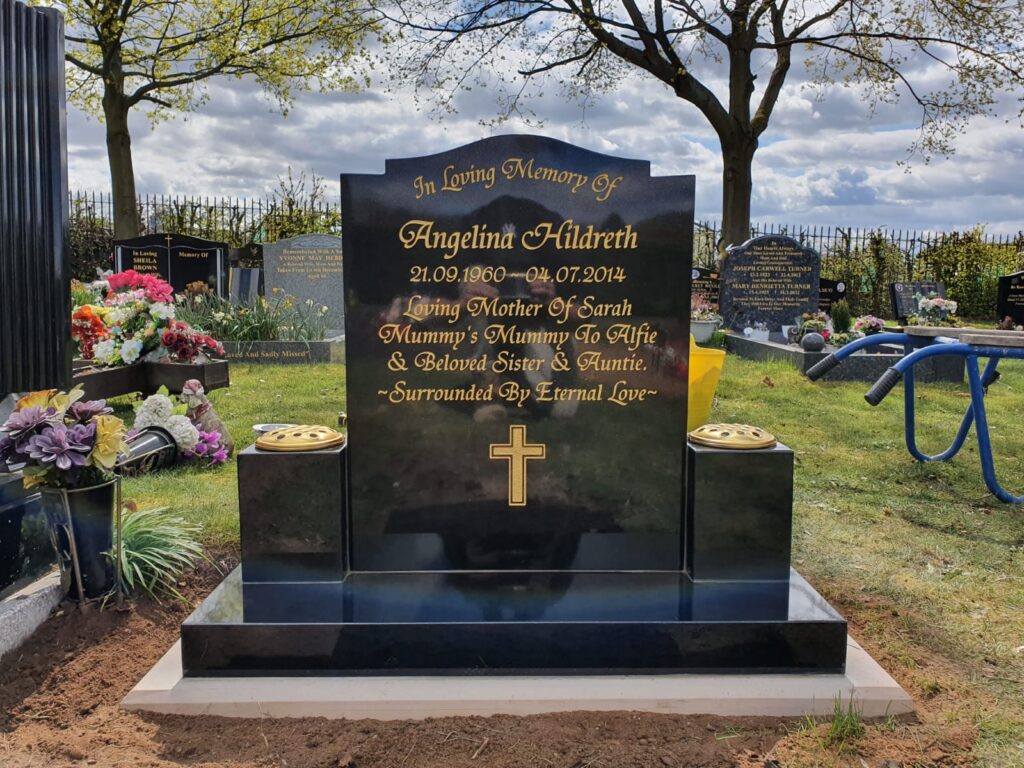
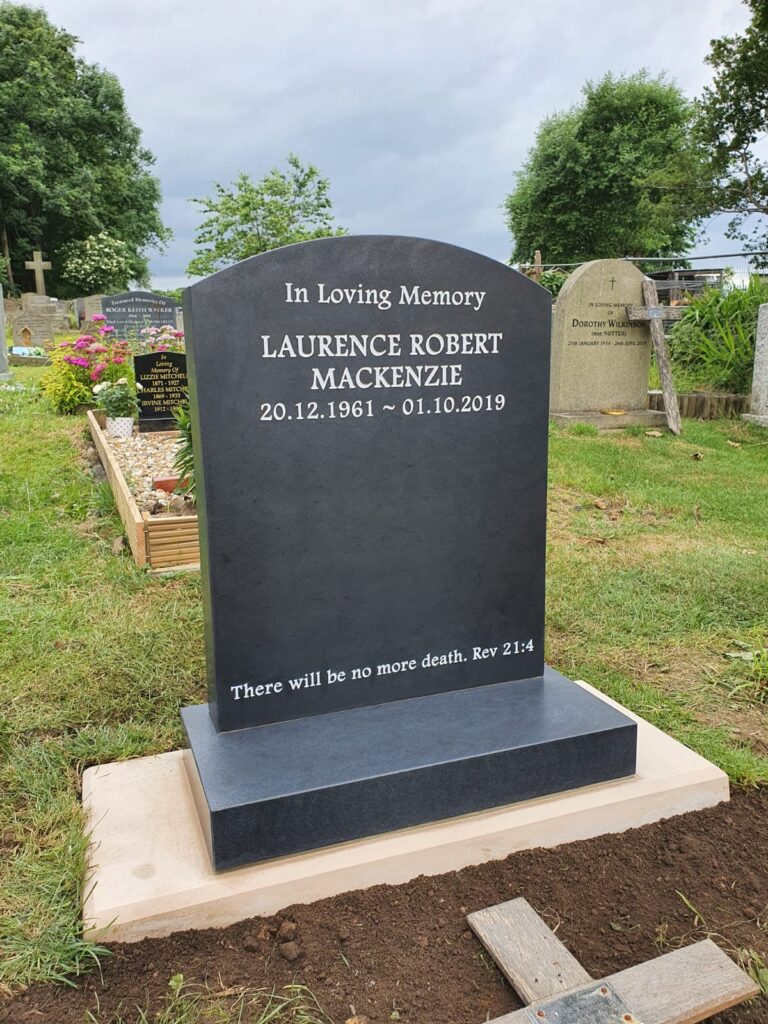
An upright headstone consists of a vertical stone secured to a base. This familiar design provides a clear central area for names, dates, inscriptions and decorative details.
Common top shapes include:
- Round or camber tops
- Ogee curves
- Gothic-style arches
- Square and rectangular tops
- Shouldered designs
- Serpentine shapes
An upright stone can be kept simple or adapted with carved flowers, religious symbols, photographs and personal imagery.
Heart Headstones
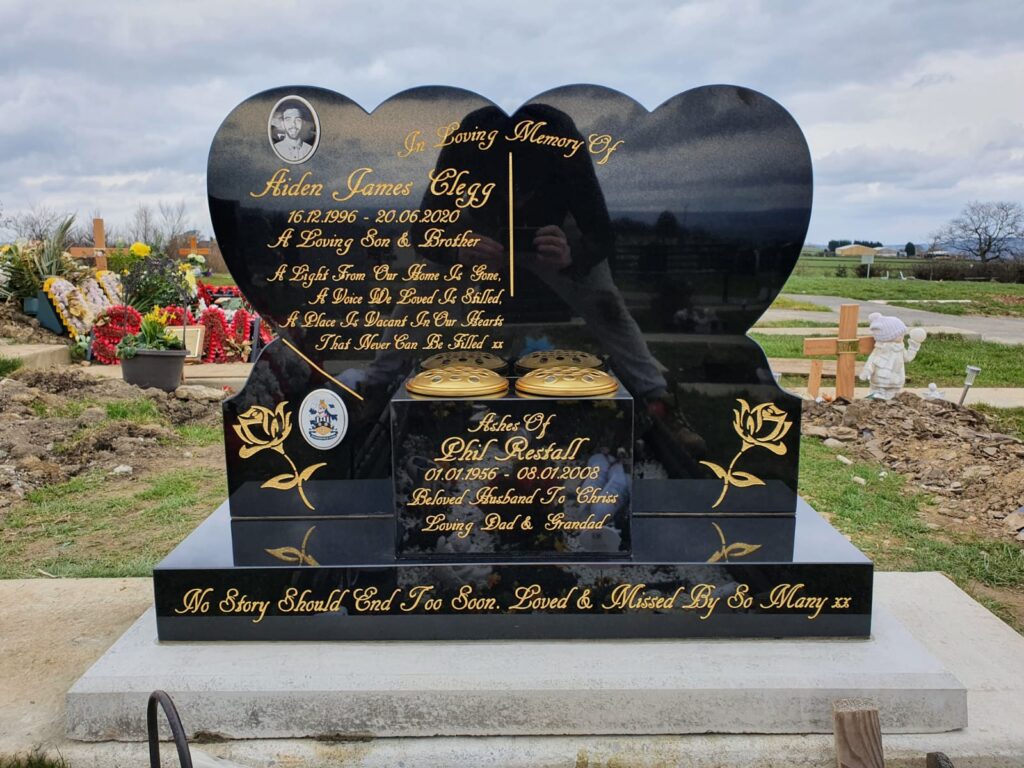
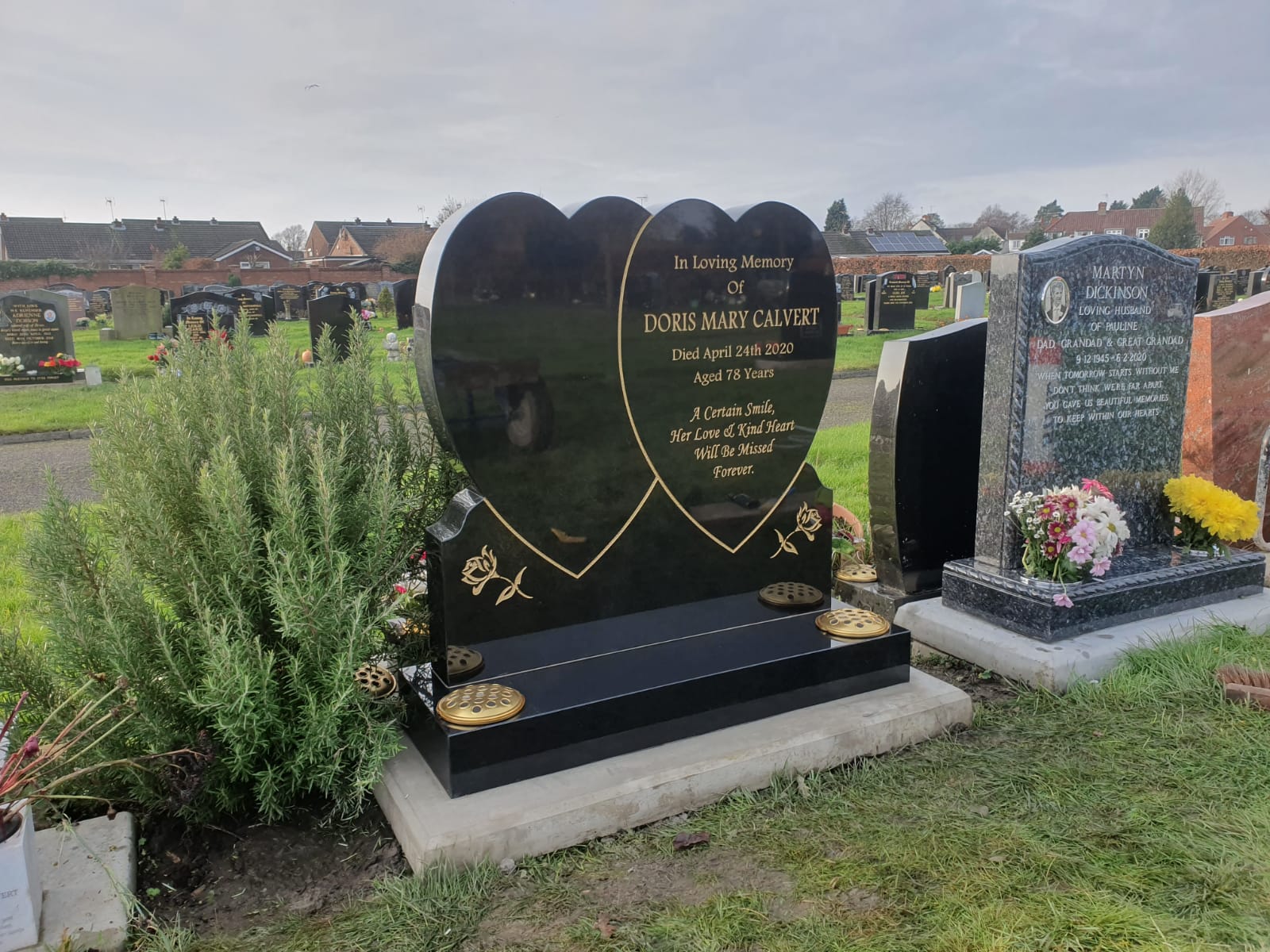
A heart-shaped memorial can symbolise love, devotion and continuing connection. Single hearts are suitable for individual memorials, while double and joined-heart designs may be used for couples or family graves.
The heart may form the complete headstone or appear as part of a wider upright design.
Book Memorials
An open-book headstone provides two natural areas for inscriptions. It may represent the story of a life, religious scripture or the lives of two people remembered together.
Book designs are particularly useful where separate names and messages need to be clearly divided.
Angel Memorials
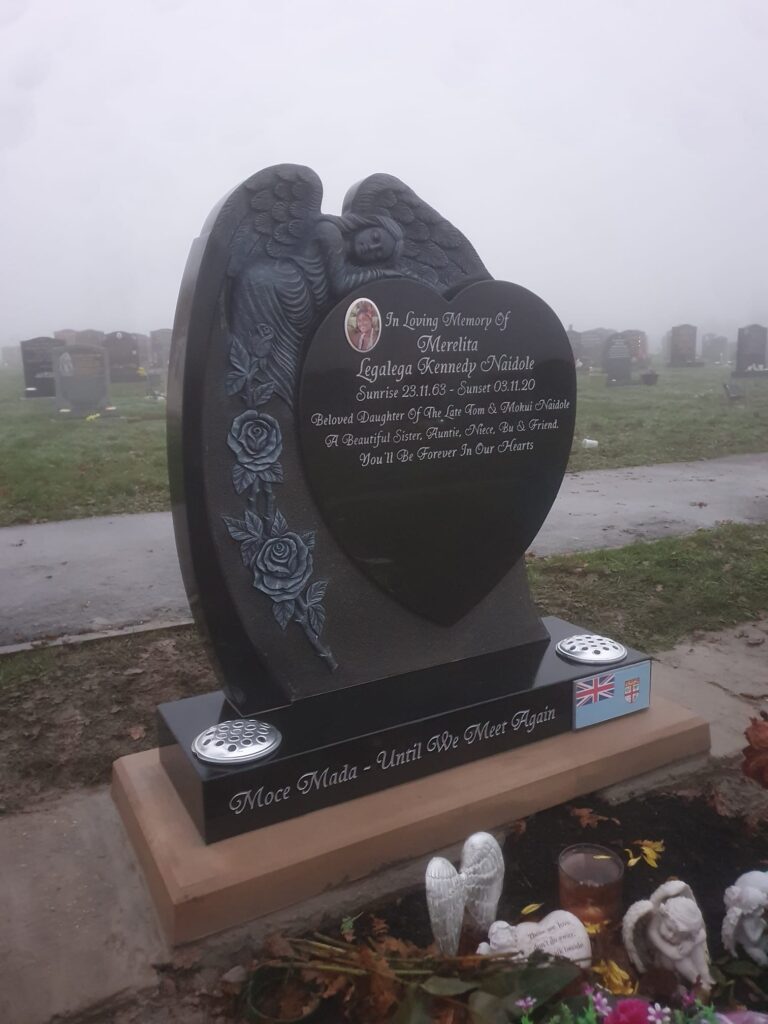
Angels may represent peace, faith, protection or guidance. They can appear as full sculpted figures, relief carvings or smaller images incorporated into the headstone.
Detailed angel memorials need enough space for the figure and inscription to remain balanced, so the full layout should be considered from the beginning.
Kerb Surrounds
A kerb surround creates a stone border around the complete grave. The area inside may contain decorative chippings, planting, a pathway or cover slabs.
These memorials have a substantial and traditional appearance but require more stone and installation work. They are also not permitted in every cemetery.
Cremation Plaques and Tablets
Smaller plaques and tablets are commonly used for cremation plots and memorial gardens. They usually provide room for a name, dates and a short message, with some designs also incorporating a flower container or image.
Natural Boulder Memorials
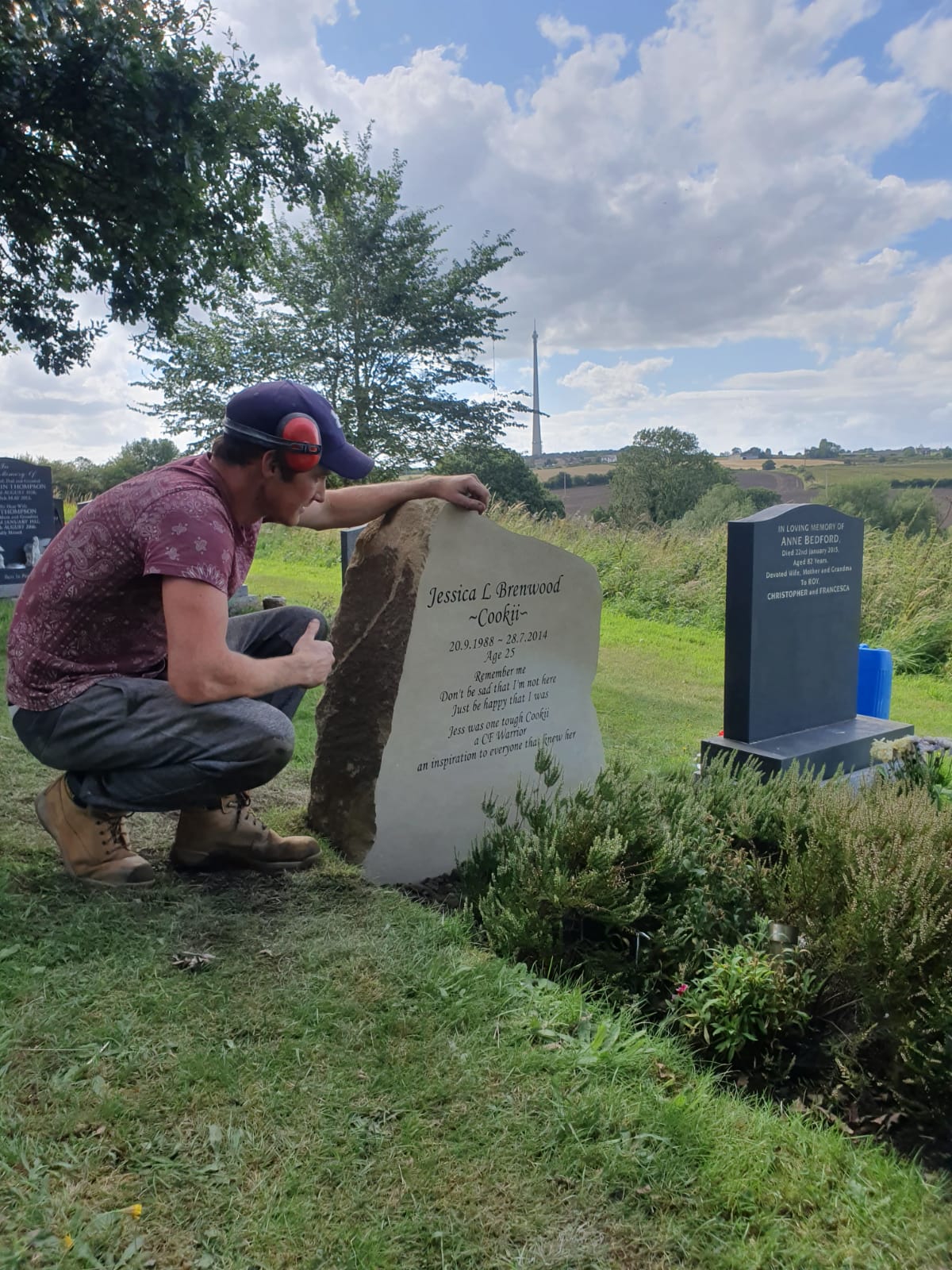
A boulder memorial retains much of the stone’s original outline and texture. One area is prepared for the inscription while the irregular edges remain visible.
This can suit someone who loved nature or a family seeking a less formal and more individual memorial.
Select the Right Material
The stone affects the memorial’s colour, texture, inscription options, weathering and long-term appearance. The most suitable material depends on both personal preference and burial-ground regulations.
Granite
Granite is widely used for modern headstones because it is dense, versatile and available in several colours.
Black granite creates a strong contrast with white, silver or gold lettering. Grey, blue and red granites can provide a softer or more distinctive appearance.
Granite can be highly polished, partly polished or given a honed finish. It is suitable for traditional upright stones as well as heart, book, angel and kerb memorials.
Polished dark granite is also particularly suitable for detailed laser-etched photographs and images.
Sandstone
Sandstone has a warmer, more natural character. Its grain, colour and markings vary between pieces, helping each memorial retain its own individual appearance.
It can be finished with smooth faces, hand-worked edges or a more rustic outline. Sandstone often complements rural cemeteries, churchyards and older surrounding stonework.
As a porous natural material, it will weather differently from polished granite and may gradually develop a more aged appearance.
Other Memorial Stones
Other stones may be available depending on the design and location. Historic burial grounds often contain locally quarried materials, while some families may wish to match an existing memorial.
The material should not be selected by appearance alone. Ask how it is likely to weather, which lettering methods are suitable and whether it will meet the cemetery’s requirements.
Our guide to granite and sandstone headstones compares the two materials in more detail.
Decide on the Headstone Finish
The finish changes the colour, texture and reflectiveness of the stone. It can also influence which burial grounds will approve the memorial.
Polished Finish
A polished surface is smooth and reflective. It deepens the natural colour of granite and provides a clear background for contrasting lettering, photographs and etched images.
Highly polished finishes may not be accepted in every churchyard.
Partly Polished Finish
A memorial may have a polished front face with natural, honed or textured edges. This creates contrast while retaining a clear inscription panel.
Honed Finish
A honed surface is smooth but less reflective than polished stone. It produces a softer, more understated appearance and may be suitable where a high-gloss finish is not preferred.
Natural or Rustic Finish
Sandstone and boulder memorials may retain hand-worked, chisel-cut or naturally irregular edges. These finishes allow the character of the original stone to remain visible.
Ask to see examples of the proposed finish before making a decision, as photographs do not always show texture and reflection accurately.
Plan the Inscription Early
The inscription is one of the most important parts of the memorial and should be considered before the shape and layout are finalised.
A typical inscription may include:
- An opening phrase such as “In loving memory of”
- The person’s full or familiar name
- Their date of birth and date of death
- Their relationship to their family
- A short epitaph, prayer or personal message
Longer wording requires more lines and may need smaller lettering. It can also reduce the space available for photographs, carvings and other imagery.
Begin by writing everything the family would like to say, then reduce it to the details that matter most. A concise inscription is often clearer, easier to read and more emotionally powerful.
Consider Future Inscriptions
If the headstone may later commemorate a husband, wife or another family member, this needs to be considered from the beginning.
The first inscription should be positioned so that the completed memorial will remain balanced when another name and dates are added.
The memorial mason should record:
- The lettering style
- The size of the letters
- The spacing between lines
- The colour or finish
- The intended position of the future wording
A wider upright stone, open book or double-heart memorial may provide more natural space for two people.
Choose Personal Details Carefully
Personalisation can transform a familiar headstone shape into a memorial that feels unique to the individual.
Options may include:
- Carved flowers, trees or natural imagery
- Religious symbols
- A photograph or laser-etched portrait
- An image linked to a hobby or occupation
- A favourite vehicle, animal or musical instrument
- Lettering in another language
- A handwritten message or signature
- Gold, silver, white or black inscription finishes
Try to prioritise details with genuine personal meaning. Too many different images can compete with the inscription and make the finished memorial feel crowded.
Where an existing design does not provide the right shape or layout, Northern Headstones can create a bespoke memorial using an explanation, drawing, photograph or other imagery as a starting point.
Ask to See a Complete Design Proof
Before the stone is cut or engraved, ask to review a complete representation of the proposed memorial.
The proof should show:
- The headstone and base proportions
- The position of the inscription
- Names, dates and line breaks
- The lettering style and finish
- Carvings, photographs and other designs
- Any space reserved for future wording
Check every detail carefully. Once an inscription has been engraved into stone, correcting a mistake can be difficult.
Ask another family member to review the proof and confirm:
- The spelling of every name
- The dates of birth and death
- The person’s age and family relationships
- The exact wording of quotations or scripture
- Punctuation and capitalisation
- The correct photograph or design
Reading the inscription aloud can also reveal repeated words or phrasing that does not flow naturally.
Understand the Approval and Installation Process
A memorial application may need to be submitted to the cemetery, council or church authority before production or installation can proceed.
The application commonly records:
- The memorial’s dimensions
- The type and colour of stone
- The full inscription
- Any images and decorative details
- The foundation and fixing method
A permanent headstone is not normally installed immediately after a burial. The ground may need time to settle, and the cemetery may specify a minimum waiting period.
The timing can also depend on weather conditions, the type of grave, whether a memorial beam is already present and how long the chosen design takes to produce.
Northern Headstones states that its memorials are installed on foundations over twice the size of industry guidelines, helping to provide lasting strength and stability.
Common Mistakes to Avoid
Taking time over the early decisions can prevent costly or upsetting problems later.
Common mistakes include:
- Choosing a design before checking cemetery rules
- Comparing headline prices without checking what is included
- Trying to fit too much wording onto a small stone
- Forgetting to leave room for a future inscription
- Using an unclear or low-quality photograph
- Selecting too many decorative features
- Approving names and dates without a second check
- Assuming all stone materials weather in the same way
- Feeling pressured to make an immediate decision
A reputable memorial mason should explain the available choices clearly and allow the family enough time to consider them.
Questions to Ask a Memorial Mason
Before placing an order, ask:
- Is the proposed memorial permitted in the burial ground?
- What material and dimensions are included?
- What type of finish will the stone have?
- How many inscription letters are included?
- Are carvings and images included in the quotation?
- Will I see and approve a complete proof?
- Are foundations and installation included?
- Are cemetery or churchyard fees charged separately?
- How will the memorial be secured?
- Can another inscription be added in the future?
- What care will the material require?
The answers should be clear enough for you to understand the complete cost, appearance and installation process before committing to the memorial.
Take the Decision One Step at a Time
Choosing a headstone is an important decision, but you do not need to settle every detail at once. Begin with the cemetery rules and the person you are commemorating, then work through the material, shape, inscription and personal features in a manageable order.
The right memorial is not necessarily the largest, most expensive or most elaborate. It is the one that feels appropriate to the person, provides a lasting place of remembrance and remains within the family’s practical requirements.
To discuss your ideas, compare memorial styles or receive guidance through the selection process, please contact Northern Headstones. The team will listen to your requirements and help you create a fitting tribute with patience, care and respect.
Written and Edited by Northern Headstones
Having established itself as one of the North’s of Englands most prestigious Headstone and Memorial Masons, Northern Headstones delivers bespoke memorials like no other.