or Call +44 (0)7724 515 072
Angel Memorials: A Timeless Tribute to Loved Ones
Angel memorials have been used for centuries to express ideas that can be difficult to put into words. Their presence may represent peace, protection, faith, guidance or the hope that someone who has died is now safely at rest.
For some families, an angel carries a clear religious meaning. For others, it offers a gentler symbol of love and continuing connection. This flexibility has helped angel imagery remain an important part of funerary art, from historic tomb sculptures to the carved and etched headstones found in cemeteries today.
Understanding the history and symbolism of angel memorials can help families decide whether this type of design feels appropriate for the person they are remembering.
What Is an Angel Memorial?
An angel memorial is a headstone, monument or other form of grave marker that includes the figure or image of an angel.
The angel might appear as:
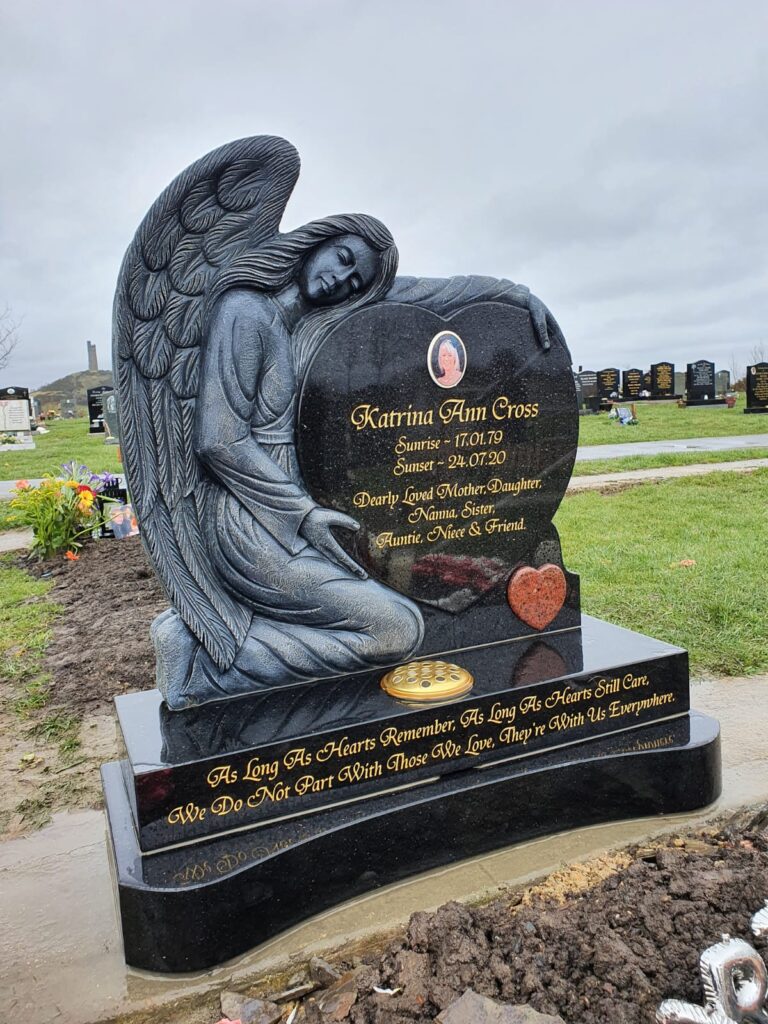
- A full sculpted figure
- A carved image within the face of a headstone
- A small angel beside an inscription
- A figure holding a heart, flower or cross
- Wings surrounding a photograph or personal message
- An etched or engraved illustration
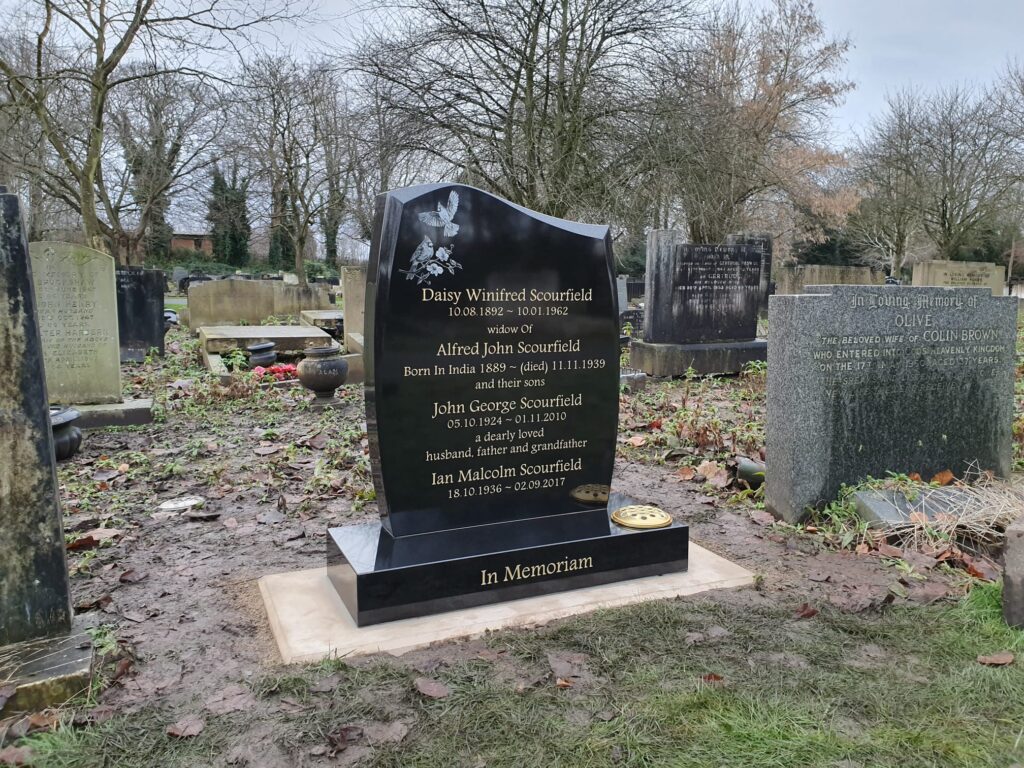
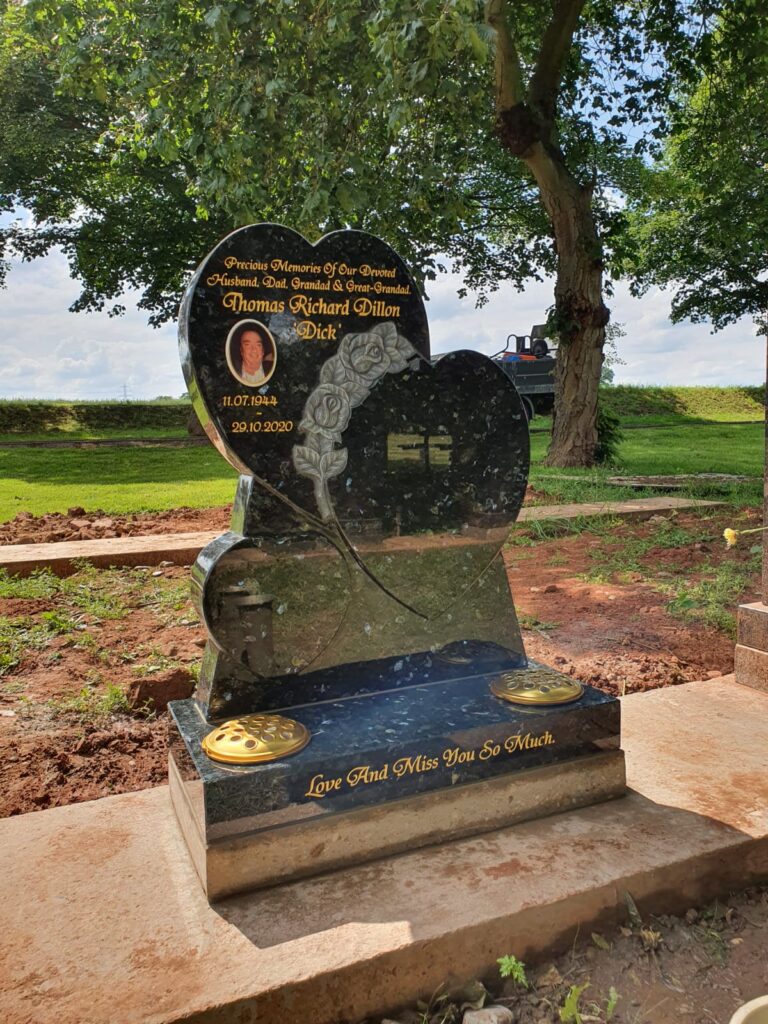
Some memorials place the angel at the centre of the design, while others use it as a quiet decorative detail. Northern Headstones offers a range of angel headstones and memorials featuring hearts, flowers and different styles of carved figures.
How Long Have Angels Been Used in Memorials?
Angels have appeared in European religious and funerary art for many centuries. They were used on church monuments, tombs and sculpted memorials long before the development of the large public cemeteries familiar to us today.
One notable English example is the group of bronze angels commissioned in 1524 for the tomb of Cardinal Thomas Wolsey. Although his intended monument was never completed as planned, the surviving sculptures demonstrate that angels were already being used as important elements within elaborate tomb design during the Renaissance.
Their role within memorial art developed over time. Angels could be shown as heavenly attendants, messengers, guardians or figures accompanying the soul into the next life.
Angel Memorials in the Victorian Era
Angels became especially prominent in British cemetery design during the 19th century. Rapidly growing towns and cities led to the creation of large landscaped cemeteries outside traditional churchyards, particularly during the Victorian period.
These cemeteries were designed not only as places of burial but also as environments for remembrance, reflection and public mourning. Their monuments often included highly symbolic sculpture, such as:
- Angels and winged figures
- Crosses and religious imagery
- Weeping women
- Broken columns
- Flowers, wreaths and draped cloth
- Urns and other symbols of mourning
Improvements in stone carving and the growth of professional memorial masonry also allowed more families to choose detailed monuments. Angel figures appeared in marble, sandstone and other materials, ranging from small relief carvings to substantial sculptures.
Angels as Figures of Mourning
Victorian angel memorials were not always shown looking upwards or welcoming someone into heaven. Many were depicted with bowed heads, lowered wings or reflective expressions.
These mourning figures acknowledged the grief experienced by those left behind. They created a visual expression of sorrow while also providing a calm and reassuring presence at the grave.
Angels as Guardians
Other memorials presented angels as protective figures. Their wings might surround an inscription, rest around another figure or form a sheltering shape over the memorial.
This imagery reflected the idea that the person who had died was being watched over. For visitors to the grave, it could also suggest that love and protection continued beyond death.
What Do Angel Memorials Represent Today?
Modern families continue to choose angel memorials for many of the same reasons. However, the design does not need to follow one strict historical or religious interpretation.
An angel memorial may represent:
- Peace after a period of illness or difficulty
- Protection and spiritual guidance
- The hope of an afterlife
- A loved one watching over their family
- Innocence, kindness or gentleness
- Love that continues after death
- Comfort for those who visit the grave
The meaning may also be entirely personal. Someone may have collected angel ornaments, spoken frequently about guardian angels or found comfort in angel imagery during their lifetime.
Are Angel Headstones Only for Religious Memorials?
Angel memorials have strong roots in Christian funerary art, but they are not chosen exclusively by religious families.
A Christian memorial may pair an angel with a cross, prayer, hymn or passage from scripture. The figure might symbolise a messenger of God, a guardian or a guide carrying the soul into eternal life.
For a family without a particular religious belief, the angel can simply represent peace, love or protection. The inscription can remain entirely secular, allowing the image to carry a broader emotional meaning.
The most suitable interpretation is the one that reflects the individual and feels comforting to those closest to them.
The Meaning of Different Angel Poses
The position and expression of an angel can influence the atmosphere of the memorial. Small details such as the angle of the head, placement of the hands and shape of the wings may change how the figure is understood.
Praying Angels
An angel with hands together in prayer commonly represents devotion, faith and peaceful rest. It can be particularly suitable for someone whose religious beliefs played an important part in their life.
Weeping Angels
A weeping angel acknowledges grief and loss. The figure may rest its head against the stone, cover its face or look downwards in reflection.
Although sorrowful, the design can still feel comforting because the angel appears to share in the family’s grief.
Angels With Open Wings
Open wings may suggest freedom, protection or the onward journey of the soul. They can also create a sheltering shape around an inscription, heart or photograph.
Angels Holding Hearts
An angel holding a heart combines the ideas of protection and enduring love. It may be chosen for a partner, parent, child or anyone who held a central place within the family.
Angels With Flowers
Flowers can add another layer of meaning. Roses are traditionally associated with love and remembrance, while lilies may represent peace, purity or faith.
A favourite flower can also be selected for its personal connection rather than its conventional symbolism.
Who Can Be Remembered With an Angel Memorial?
An angel headstone can be used to commemorate anyone. There are no rules limiting the design to a particular age, relationship or circumstance.
Families may choose an angel memorial for:
- A husband, wife or partner
- A parent or grandparent
- A son or daughter
- A baby or young child
- A brother or sister
- A close friend
- Someone remembered for their faith or gentle nature
Angels and cherubs are sometimes used on memorials for babies and children because they can represent innocence, tenderness and protection. These choices are deeply personal, and families should take as much time as they need to consider the design and wording.
How Angel Memorials Have Changed
Historic angel monuments were often carved as substantial stone or marble sculptures. These designs required considerable space and were generally commissioned for larger graves, family tombs or prominent cemetery plots.
Modern masonry techniques allow angel imagery to be included in a wider variety of memorials. Today, an angel may be:
- Hand-carved into granite or sandstone
- Etched onto polished black granite
- Included as a smaller relief carving
- Combined with a heart or book-shaped headstone
- Produced from a drawing or family photograph
- Highlighted with colour or an antiqued finish
This gives families more freedom to choose between a detailed sculpted memorial and a simpler design featuring one understated image.
Choosing the Right Angel Design
The right design should reflect the person being remembered without feeling unnecessarily elaborate. Begin by considering what you would like the angel to express.
Ask whether the memorial should feel:
- Peaceful and reflective
- Religious and devotional
- Protective and reassuring
- Gentle and understated
- Detailed and visually distinctive
This can help determine the angel’s pose, the shape of the headstone and the additional details included around it.
Consider the Available Inscription Space
A large carved figure can reduce the area available for names, dates and personal wording. The complete memorial should therefore be planned as one design rather than treating the angel and inscription as separate features.
A shorter inscription may work particularly well where the carving is intended to remain the main focus.
Check the Burial-Ground Regulations
Cemeteries and churchyards may place restrictions on the size, material, finish and imagery of memorials. Sculpted figures and highly polished granite may not be accepted in every location.
The proposed design should be checked with the relevant authority before any work begins.
Think About Future Inscriptions
If the memorial may later include a husband, wife or another family member, the angel and original inscription should be positioned with that future addition in mind.
Planning the complete layout from the beginning can help the finished memorial remain balanced when more lettering is added.
Creating a Personal Angel Memorial
An existing angel headstone can be personalised through its stone, inscription, lettering and carved details. A family might include a particular flower, religious symbol, photograph or image connected with the person’s life.
Where a standard memorial does not capture the idea you have in mind, Northern Headstones can create a bespoke angel memorial using an explanation, drawing, photograph or other image as a starting point.
A bespoke design does not need to be complicated. A change to the angel’s position, the addition of a meaningful object or a carefully arranged inscription may be enough to create something entirely personal.
An Enduring Symbol of Peace and Remembrance
Angel memorials have remained part of funerary art because they can express both grief and hope. Their meaning has developed across centuries, but their ability to provide comfort has endured.
Whether chosen as an expression of faith, a symbol of protection or a reminder of someone’s gentle character, an angel headstone can create a peaceful and lasting tribute.
To discuss an angel memorial or receive guidance on a particular design, please contact Northern Headstones. The team will listen to your ideas and help you explore the available options with care and respect.
Written and Edited by Northern Headstones
Having established itself as one of the North’s of Englands most prestigious Headstone and Memorial Masons, Northern Headstones delivers bespoke memorials like no other.